Ghent (Gent in Dutch, Gand in French; population 260,000) is the capital of the East Flanders province and, by most traveller accounts, the best city in Belgium that most tourists never visit. Bruges gets the crowds; Ghent gets the city that actually works as a place to live and to visit without fighting through tour groups at every corner.
Why Ghent Deserves More Attention
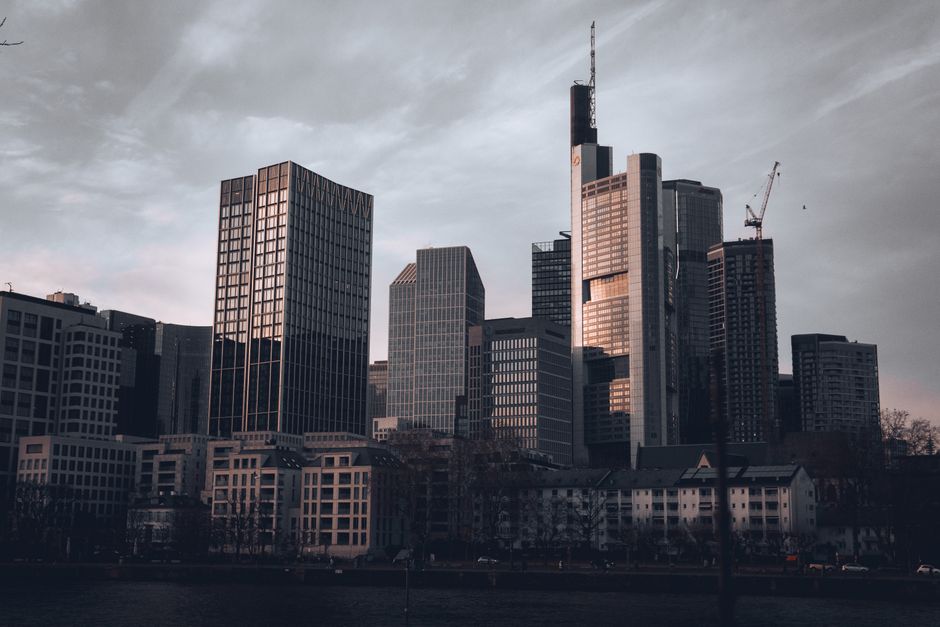
Ghent has: a medieval city centre that rivals Bruges and Bruges; three Michelin-starred restaurants and a strong café culture; a major university (Ghent University, founded 1817, 41,000 students) that gives the city energy; and a canal network that is genuinely navigable and used. What it doesn’t have: Bruges’s volume of day-trippers, its tourist-inflated restaurant prices, or the feeling of walking through a museum exhibit rather than a living city. The central fact: Ghent has the best-preserved medieval city centre in the Low Countries that isn’t wholly consumed by tourism. The city’s three towers (St Bavo’s Cathedral, St Nicholas’ Church, and the Belfry) form a skyline that is one of the most photogenic in Northern Europe — and you can stand in front of them without jostling for position.
What to See
The Gravensteen Castle (Castle of the Counts): a 12th-century moated castle in the middle of the city — one of the best-preserved medieval castles in Belgium, with a genuinely informative self-guided tour. St Bavo’s Cathedral (Sint-Baafskathedraal): home to the Ghent Altarpiece (Het Lam Gods — The Adoration of the Mystic Lamb) by Jan and Hubert van Eyck (1432). The altarpiece is one of the most important paintings in the history of Western art and is displayed in a purpose-built viewing chamber within the cathedral. It has been stolen, hidden during WWII, partially recovered, and digitally restored — its history is as interesting as the work itself. The Belfry (Belfort, 14th century UNESCO-listed): the civic belfry, representing the city’s independence and commercial power — the carillon (set of bells) still plays. The STAM (Ghent City Museum): an excellent history museum in a former abbey — covers the city’s history from medieval trading power to 20th-century industrial decline and rebirth. The Vrijdagmarkt (Friday Market square): a large medieval square that has hosted public executions, guild meetings, and trade fairs since the 12th century — now ringed with bars and restaurants. The Design Museum Ghent: contemporary design across multiple centuries of Flemish decorative arts.
Food and Drink
The Gentse Waterzooi: Ghent’s signature dish — a stew of chicken (originally fish) in a cream and vegetable broth, typically served with bread. Every serious Ghent restaurant has a version. The Cuberdons (cone-shaped purple sweets, made from gum arabic, rose and raspberry syrup): a Ghent specialty sold by competing vendors on the Groentenmarkt and from the famous feuding street vendors who have competed for the same spot for decades. Belgian beer culture applies in Ghent: Dulle Griet (a 330-litre red copper vessel, a Ghent institution on the Vrijdagmarkt — home to a 12% Delirium-style house beer served in a ceramic boot); ‘t Dreupelkot (a jenever — Dutch gin — specialist bar with over 200 varieties). The Groentenmarkt and Korenlei quaysides have the highest concentration of good bars and restaurants.