When feeding swans at a lake in Germany, you might assume the white mute swans (Cygnus olor) are male and the gray ones are female—especially since the gray ones often guard the white ones and chase away ducks. But after checking the facts, you’ll learn that those gray swans are actually juvenile mute swans, the “ugly ducklings” of the species. They stay gray until they reach sexual maturity and molt into their iconic white plumage.
The Six Swan Species
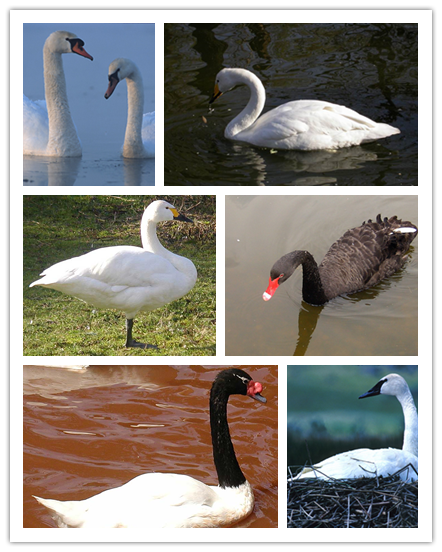
The genus Cygnus includes six species:
- Mute Swan Cygnus olor
- Whooper Swan Cygnus cygnus
- Tundra Swan Cygnus columbianus
- Black Swan Cygnus atratus
- Black-necked Swan Cygnus melanocoryphus
- Trumpeter Swan Cygnus buccinator
Here’s the screenshot from the original post:
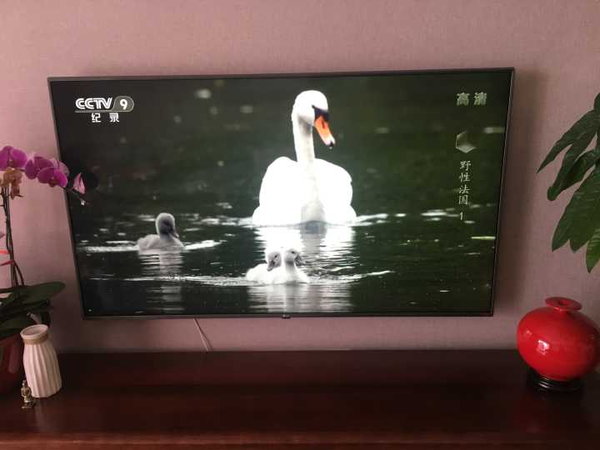
Clearly, based on the black knob on the beak, this is a mute swan.
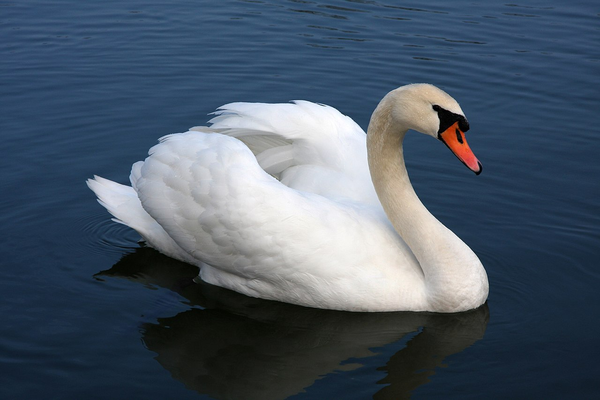
Most swan species are entirely white except for the black swan and black-necked swan. There is no such thing as a gray adult mute swan.
Molting Stages from Hatchling to Adult
Birds go through several molts from hatching to sexual maturity:
- Natal down: The first plumage after hatching, replaced within days (postnatal molt).
- Juvenile plumage: Grows after the postnatal molt, often with cryptic gray or brown patterns. Replaced after fledging (postjuvenile molt).
- First winter plumage: Grows after the postjuvenile molt, used for winter. This is the immature plumage, similar to adult colors. Replaced in late winter/early spring (first prenuptial molt).
- Second winter plumage: After the first prenuptial molt, most birds achieve adult plumage. The timing varies by species.
Swans (order Anseriformes) undergo a complete molt once a year, typically from July to October.
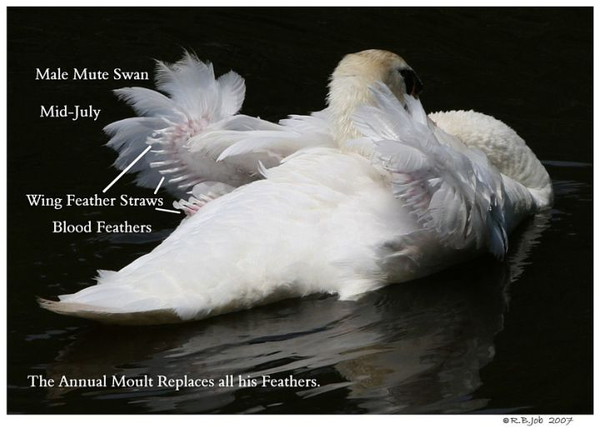
In a complete molt, flight feathers are shed almost simultaneously, temporarily grounding the bird. This is why you might see swans hiding among reeds during this period. Other birds shed feathers one by one, so they can still fly.
Mute swan cygnets are mostly gray-brown, the classic “ugly duckling.” They can vary in shade but are never pure white.
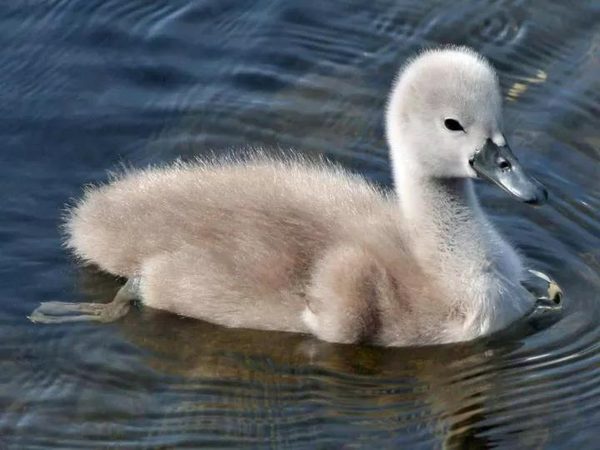
Even as subadults (juveniles), their plumage remains dull, with some variation, and their beaks are not yet the bright orange of adults—often appearing blackish.
Look at this screenshot from the original post:
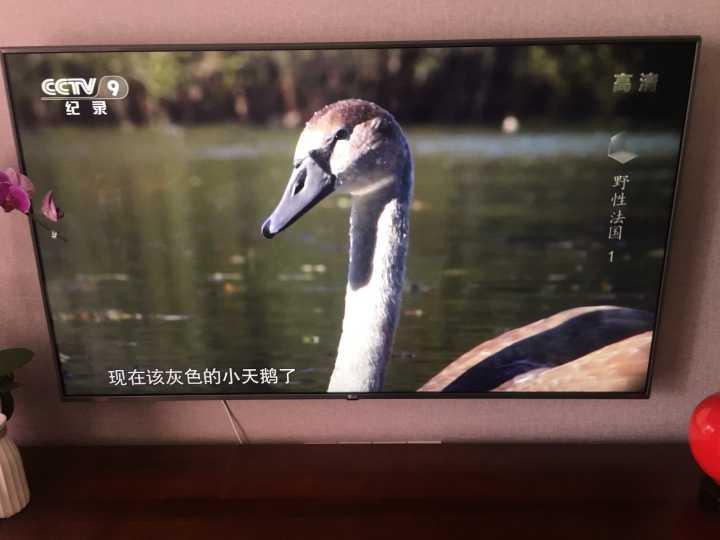
That’s not a gray “small” swan—it’s a juvenile mute swan!
(I haven’t found the exact scene from Wild France, so I can’t say if the translation or the original narration was wrong.)
The photo below was taken in Vanhankaupunginlahti, Finland, and shows a subadult mute swan.
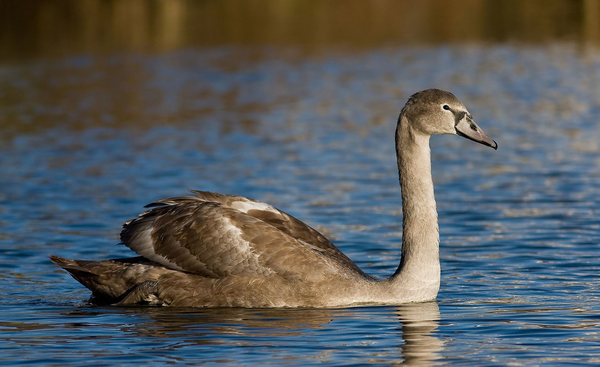
Source: Mute Swan (Cygnus olor), juvenile.
Notice how similar it is to the screenshot.
Individual differences in documentaries may arise from external factors like light or nutrition, rarely genetics (though mutations are possible). Each case should be examined individually, but the color variation in the video is not explained here in detail.
Conclusion: Adult mute swans are entirely white—no other color. Juveniles are gray; subadults are gray.