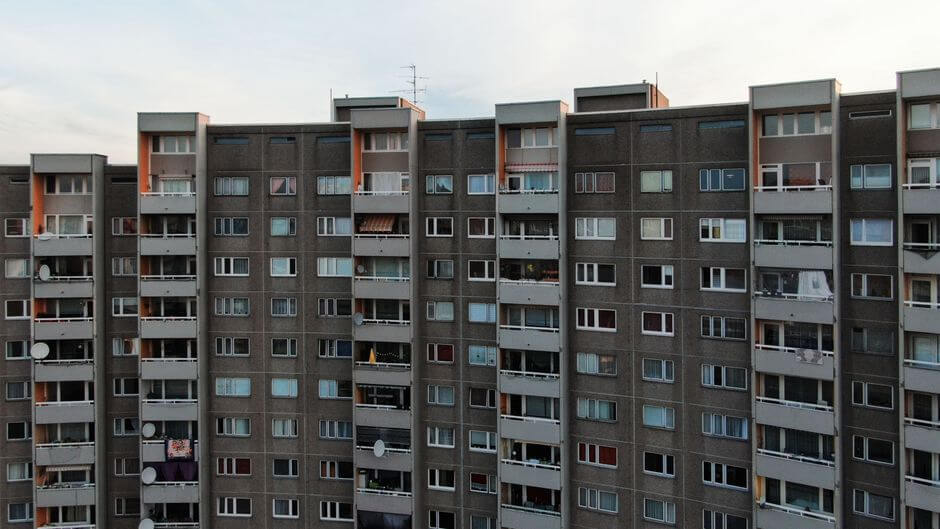
Germany has one of the lowest homeownership rates in the EU (approximately 45%, compared to 70%+ in the UK, France, and Spain). This reflects both cultural preferences and structural factors that make renting a legitimate long-term choice rather than a stepping stone to ownership. Here is the landscape.
Why Renting Is Normal in Germany
Germany’s renting culture (Mietkultur) is not just a temporary phase for those who cannot yet afford to buy — many Germans rent throughout their lives by choice. The structural reasons: strong tenant protections make long-term renting viable; the German rental market is relatively stable (rent control mechanisms like the Mietpreisbremse limit rent increases in tighter markets); rental tenancies can be indefinite (unbefristete Mietverträge — no end date); and the cultural norm is that a rented apartment can be a genuine home, not a transitional arrangement. The contrast with the UK/US model: in Germany, renting does not carry the social stigma it does in some other countries. Many high-income Germans in professional employment rent lifelong, particularly in Munich, Hamburg, and Berlin.
Buying Property in Germany
Foreign nationals can buy property in Germany without restriction — EU freedom of movement and German property law impose no citizenship or residency requirements for property purchase. The costs of buying: beyond the purchase price, expect: Grunderwerbsteuer (property transfer tax, 3.5–6.5% depending on state — Bavaria is 3.5%, Berlin and Schleswig-Holstein are 6.5%); Notarkosten (notary fees, approximately 1–2% of purchase price); Grundbucheintrag (land registry fee, approximately 0.5%); and estate agent commission (Maklerprovision, split 50/50 between buyer and seller since 2020 legislation, typically 3–3.5% per party). Total transaction costs: 8–12% of the purchase price on top of the price itself. This is higher than the UK (3–5%) and significantly higher than the US (2–3%). The mortgage system: German banks typically lend to a maximum of 80–90% LTV (loan-to-value), and strict debt serviceability assessments require you to demonstrate stable income. For non-residents or those with employment in another country, getting a German mortgage is significantly harder. Interest rates: German mortgage rates track the European Central Bank rate and moved significantly (from sub-1% in 2020–21 to 3–4% in 2023–24), making the calculation of buy-vs-rent more complex in recent years.
The Rental Market
Finding an apartment (Wohnungssuche): the major platforms are Immobilienscout24 and Immonet. In major cities (Munich, Frankfurt, Berlin, Hamburg), demand substantially exceeds supply for rental apartments. Waiting lists for WBS (Wohnberechtigungsschein — social housing voucher) apartments in Berlin are 10+ years. Private market rents in Munich regularly exceed €20/m² for central locations. The Wohnungsanzeige (apartment listing) typically requires: Selbstauskunft (self-disclosure form, including income and employer), last three payslips (Gehaltsabrechnungen), Schufa credit report, and sometimes references from previous landlords. Tenant rights: the Mieterschutzgesetz (tenant protection legislation) is comprehensive. Landlords cannot terminate tenancies without cause; rent increases are capped; the Mietpreisbremse (rent brake) limits rent in tighter markets to 10% above the local reference rent (Mietspiegel); and tenants have the right to permanent tenancy for indefinite contracts.