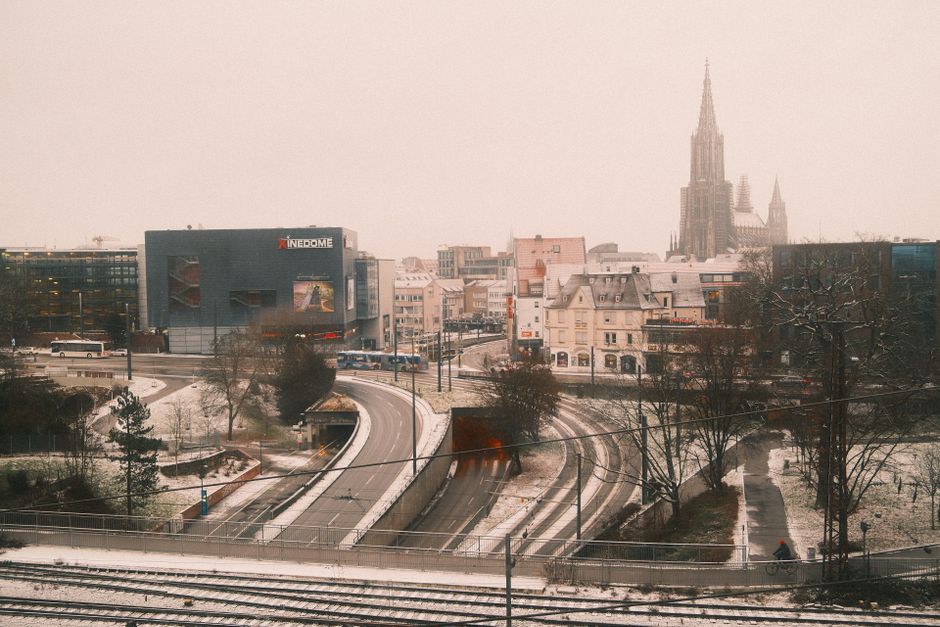
German winters, particularly in the north, are psychologically demanding — long nights, persistent cloud, cold but rarely spectacularly snowy. Many people find the adjustment difficult. Here is a practical guide to the season.
The Reality of German Winter Light
In Hamburg, the shortest days of winter have fewer than 7.5 hours of daylight. In Munich, slightly more. More importantly, overcast skies are the norm from November through February — not dramatic stormy skies but flat, grey, diffuse cloud that can persist for weeks without significant sun. This is the primary psychological challenge of German winter for people from sunnier countries. Light therapy lamps (Tageslichtlampe, 10,000 lux) are widely sold and used by German residents — they genuinely help in clinical studies and anecdotally for most people who use them consistently.
The Things That Make Winter Worth It
Christmas markets (Weihnachtsmärkte) from late November through December 23 are one of Europe’s most atmospheric seasonal events. Warm Glühwein (mulled wine), roasted chestnuts, the smell of pine and cinnamon, and medieval town squares lit by thousands of lights genuinely create a quality of atmosphere that summer crowds cannot match. Cologne, Nuremberg, Dresden, and Augsburg have the most celebrated markets but virtually every German town has one worth visiting.
Skiing Accessible from Germany
The Bavarian Alps (Garmisch-Partenkirchen, Berchtesgaden) are 1.5–2 hours from Munich. Austria (Zillertal, St. Anton, Kitzbühel) is 2–4 hours. Switzerland (Verbier, Zermatt, Davos) is 4–6 hours. Germany has some of the best ski access in Europe for city residents — a Friday evening departure can have you skiing by Saturday morning.
Social Strategies
Germans handle winter through Gemütlichkeit — a cultural concept of warmth, comfort, and social closeness. Hosting dinners at home increases in winter. Sauna culture peaks. Book clubs, Stammtisch (regular pub meeting), and indoor sports clubs are the social infrastructure of German winter. Joining an activity-based group before winter arrives prevents the isolation that compounds seasonal mood effects.