Italian coffee culture is among the most codified in the world — not because Italians are rigid, but because generations of daily ritual have converged on a genuinely optimal way to drink coffee, and the regional and stylistic variations within that system are fascinating. Understanding the rules — and when they apply — makes the experience significantly richer.
The Italian Bar
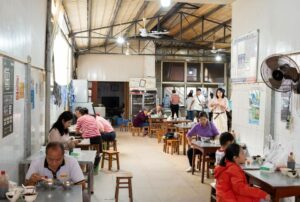
The bar (il bar): in Italy, a bar is primarily a coffee shop that also serves alcoholic drinks — not the reverse. The bar is the centre of Italian daily life: where you drink your morning coffee, read the newspaper, take a quick lunch, have an aperitivo before dinner. You stand at the bar (al banco) for a quick espresso; you sit at a table if you want to linger (and pay more — table service carries a surcharge, the coperto or servizio, which can be 50–200% more than counter price). The payment protocol: in traditional bars, you pay at the cassa (cashier) first, then take your receipt (scontrino) to the bar and order. In tourist areas, ordering directly is now common. The bar person (barista): in Italian, un barista is simply the person who works behind the bar. They make coffee, pour wine, serve food, and mix drinks. The anglicised “barista” to mean specifically a coffee-making specialist is a 1990s American reframing of the word. The bar as social institution: the neighbourhood bar is where regular customers have their coffee made to their specification without asking (the barista remembers), where local news is exchanged, and where a certain kind of Italian civil society operates. Coming in as a tourist to the same bar repeatedly earns you faster, better service and sometimes a genuine local experience.
The Coffee and the Rules
The espresso (un caffè): the default order. 25ml of coffee extracted at high pressure in approximately 25–30 seconds. Drunk standing, quickly, usually unsweetened by young professionals and sweetened heavily by older Italians (the spoon-stands-up-in-the-cup tradition). A double espresso is a doppio (rare in everyday Italian use — usually just a caffè lungo). The cappuccino: espresso plus steamed milk foam — approximately 150-180ml total. The rule: cappuccino is a morning drink. Ordering a cappuccino after 11am in a traditional Italian bar will not get you arrested, but it will signal to the barista that you are a tourist. The reason is digestive — Italians believe warm milk in the stomach after eating impedes digestion (medically unproven, but culturally definitive). Caffè macchiato (stained coffee): espresso with a small amount of steamed milk — the “stain” of milk on the coffee. Served in an espresso cup. Not to be confused with the Starbucks Latte Macchiato (inverted — a glass of milk stained with coffee). Caffè latte: a larger drink with more milk, usually served in a glass. In Italy, you drink a latte at home in the morning, not at a bar. If you order “un latte” at an Italian bar, you may receive a glass of warm milk. Caffè corretto (corrected coffee): espresso with a shot of grappa, sambuca, or other spirit — common in northern Italy as a morning digestif. Ristretto: a shorter, more concentrated espresso — less water, same amount of coffee; sweeter and more intense. The regional variations: Naples (Napoli) is considered the spiritual home of espresso — Neapolitan espresso is typically darker roasted, slightly more bitter, and served in a small warmed ceramic cup. The café culture of Naples is its own world: the caffè sospeso (suspended coffee) tradition — paying in advance for a coffee for a stranger in need — originated here. In Milan, the trend toward specialty coffee (lighter roasts, single-origin, filter methods) has grown significantly, creating a tension with the traditional bar culture.