
Globalization is not a 21st-century phenomenon but a continuous process with 500+ years of history, experiencing multiple phases of acceleration and r
 2026-04-08
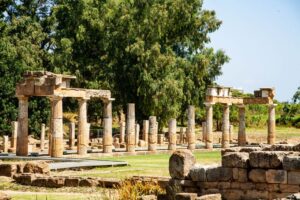
The ancient Mediterranean world (c. 3000 BCE–500 CE) is Western civilization's deepest roots: Egypt's state organization and writing system, Greece's
2026-03-31
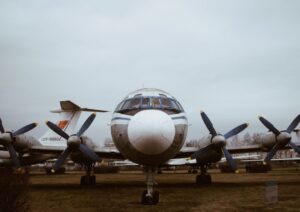
The Cold War (1947–1991) was the defining structural framework of the second half of the 20th century: US-Soviet ideological (liberal democratic capit
2026-03-24

The Enlightenment (17th–18th centuries) was the most important intellectual movement in Western intellectual history, establishing reason, empiricism,
2026-03-17
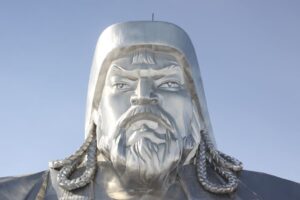
The Mongol Empire (1206–1368) was history's largest contiguous land empire, controlling approximately 24 million km² (~22% of the world's land area) a
2026-03-09

The 30 years after 1945 was one of history's most concentrated periods of political change: over 80 new nations in Asia and Africa (representing ~1 bi
2026-03-02

World War II (1939–1945) was history's largest armed conflict, causing approximately 70–85 million deaths (~3% of the world population), and included
2026-02-23
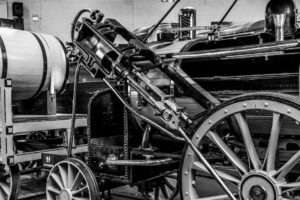
The Industrial Revolution (c. 1760–1840, originating in Britain) was one of history's most important economic and social transformations: shifting fro
2026-02-15
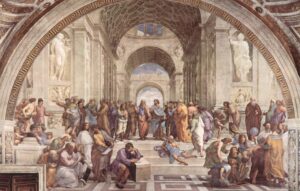
The Renaissance (c. 1350–1600) marked Europe's transition from a medieval theocentric worldview to a human-centered modernity, originating in Italian
2026-02-08
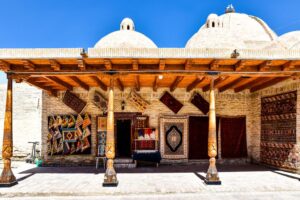
The Silk Road was not a single road but a complex trade network connecting East Asia, Central Asia, South Asia, the Middle East, and the Mediterranean
2026-01-31
