
The "personal carbon footprint" concept was largely popularized by a BP marketing campaign in 2004 to shift public attention from corporate emissions
 2026-06-20

The global food system (agricultural production, land use change, processing, transport, and waste) accounts for approximately 21–37% of global greenh
2026-06-19
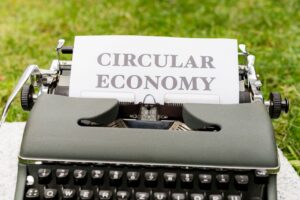
The linear economy model ("extract-produce-use-discard") is unsustainable within finite planetary boundaries. Circular economy design principles — red
2025-06-19

Approximately 55% of the global population lives in cities, projected to reach 70% by 2050. Cities are the most concentrated impact zone for climate c
2025-06-17
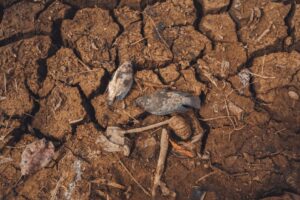
Scientists warn that humans are driving the Earth's sixth mass extinction event, with current species extinction rates approximately 100–1,000 times t
2025-06-14
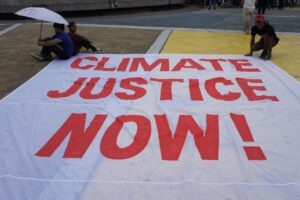
Climate change impacts are highly unequal: countries contributing least to climate change (lower-income countries in the Global South) often face the
2025-06-13
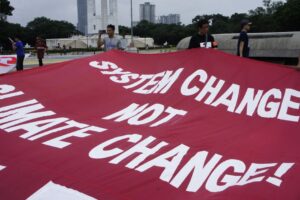
The Paris Agreement (2015) is the core international framework for current global climate action, but its "bottom-up" NDC mechanism differs fundamenta
2025-06-11

"Carbon neutrality" and "net zero" have become standard language for climate commitments, but their meanings, accounting methods, and implementation p
2025-06-10
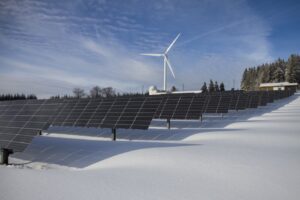
Over the past 15 years, solar PV costs fell over 90% and onshore wind costs fell over 70% — the fastest cost decline curve in energy history. Renewabl
2025-06-08

The core conclusions of climate science enjoy extremely high consensus in the scientific community: human activities (fossil fuel combustion, land use
2025-06-07
