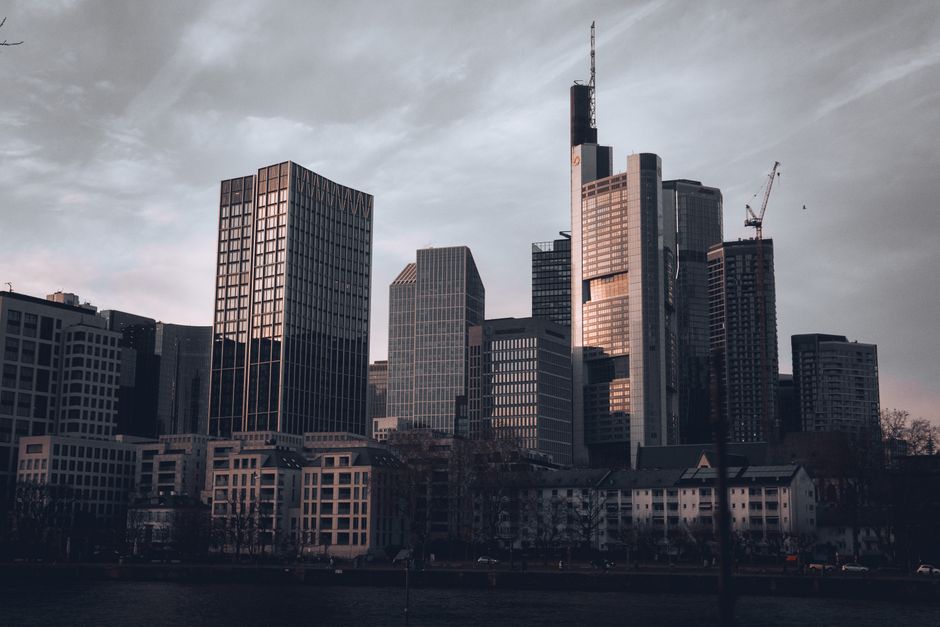
Stuttgart is Germany’s Swabian capital — an engineering and business city that is home to Mercedes-Benz and Porsche but has a food culture that is less internationally known than it deserves. Swabian cuisine is among Germany’s most distinct and deserves specific attention.
Maultaschen
Maultaschen are Stuttgart’s signature dish — large pasta parcels (similar to a giant ravioli) filled with minced meat, spinach, breadcrumbs, and herbs. Local legend says they were invented by monks to hide meat during Lent (the meat was concealed inside pasta, invisible to God looking down from above). They are served in broth, fried with egg, or as a salad with onion and vinegar. Available in every traditional restaurant and as a packaged product in supermarkets throughout Baden-Württemberg.
Spätzle
Spätzle are the Swabian equivalent of pasta — fresh egg noodles with an irregular shape (extruded through a press or scraped off a board) that form the base for Käsespätzle (cheese Spätzle, similar to German mac and cheese) and accompany most meat dishes in the region. Käsespätzle with caramelised onions is Swabian comfort food at its best.
Trollinger Wine
Stuttgart sits in a wine-growing valley and produces Trollinger — a light red wine grown almost exclusively in the Württemberg region and very rarely exported. It is an everyday drinking wine, available at local Weinguts (wine estates) and traditional restaurants. The Cannstatter Volksfest (Stuttgart’s answer to Oktoberfest, held in September/October) is where Trollinger is consumed most enthusiastically.
The Markthalle
Stuttgart’s Markthalle (covered market hall, built 1914 in the Art Nouveau style) is one of Germany’s most beautiful market buildings. It has fresh produce stalls, cheese and charcuterie, fish, and prepared food. The building alone is worth visiting.