What Is Pfand?
If you buy a drink in a plastic bottle or a can in Germany, you will notice an extra charge on your receipt: Pfand (deposit). This is a mandatory refundable deposit designed to encourage recycling. The amount is usually €0.25 for most single-use plastic bottles and cans, and €0.08 for glass beer bottles or certain reusable plastic bottles. You pay it when you buy the drink, and you get it back when you return the empty container to a supermarket.
Which Bottles Have Pfand?
Look for the Pfand logo (a recycling symbol with a checkmark) or the word EINWEG (one-way) on the label. Almost all plastic bottles for water, soda, and beer have a €0.25 Pfand. Cans for beer or soft drinks also have €0.25 Pfand. Glass beer bottles (especially from breweries like Bitburger or Warsteiner) have €0.08 Pfand. Some reusable plastic bottles (e.g., for mineral water) also have €0.15 or €0.25 Pfand — check the label.
Which Bottles Do NOT Have Pfand?
Not everything has a deposit. Wine bottles, most juice cartons (e.g., from Tetrapak), milk cartons, and liquor bottles are Pfandfrei (deposit-free). Also, some imported drinks or small plastic bottles (under 0.1L) may not have Pfand. When in doubt, look for the Pfand logo or ask at the checkout.
How to Return Bottles: The Leergutautomat
In almost every German supermarket (Rewe, Edeka, Aldi, Lidl, Netto), you will find a Leergutautomat (reverse vending machine). It is usually near the entrance or the exit. Here is how it works:
- Bring your empty bottles and cans. Do not crush them — the machine needs to read the barcode.
- Insert each bottle or can one by one into the opening. The machine will scan it and tell you if it is accepted.
- If the bottle is accepted, it falls into a bin. The machine adds the deposit amount to your total.
- When you are done, press the button to get a Pfandbon (deposit receipt).
Redeeming the Pfandbon
Take the Pfandbon to the checkout counter. You can either use it to pay for your groceries (hand it to the cashier before you pay) or get cash back. The amount is usually small — €0.25 per bottle — but it adds up. A typical student who drinks 2-3 bottles of water or soda per day can lose €15-€25 per month by not returning bottles. That is a nice dinner or a month of public transport tickets!
Mehrweg vs. Einweg
There are two types of Pfand: Mehrweg (reusable) and Einweg (one-way). Mehrweg bottles are thicker glass or plastic and are washed and refilled. They have a Pfand of €0.08 or €0.15. Einweg bottles are thin plastic or cans, and they are recycled. They have a Pfand of €0.25. Always check the label — if it says Mehrweg, it is reusable; if it says Einweg, it is single-use.
Practical Tips for Students
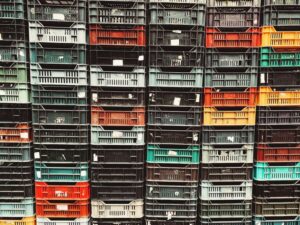
- Use a crate (Kiste): If you buy water or beer in a crate, you can return the whole crate with empty bottles. The deposit for a crate is usually €1.50-€3.00, plus the bottle deposits.
- Go weekly: Make it a habit to return bottles once a week. It takes 5 minutes and saves you money.
- Keep bottles clean: Rinse them quickly before returning. Dirty bottles may be rejected.
- Don’t throw away: Never throw Pfand bottles in the trash — you are throwing away money and it is bad for the environment.
What If the Machine Doesn’t Accept a Bottle?
Sometimes a bottle is not accepted because the barcode is damaged or the bottle is from a different store. In that case, you can try another supermarket or ask an employee. Some stores only accept bottles they sell, but most accept all common Pfand bottles. If all else fails, you can leave the bottle next to the machine — someone else will be happy to take it.
Final Thoughts
The Pfand system is a great way to save money and help the environment. As a student in Germany, returning bottles is a small habit that pays off. Start today — collect your bottles, visit the Leergutautomat, and get your deposit back. Your wallet (and the planet) will thank you!