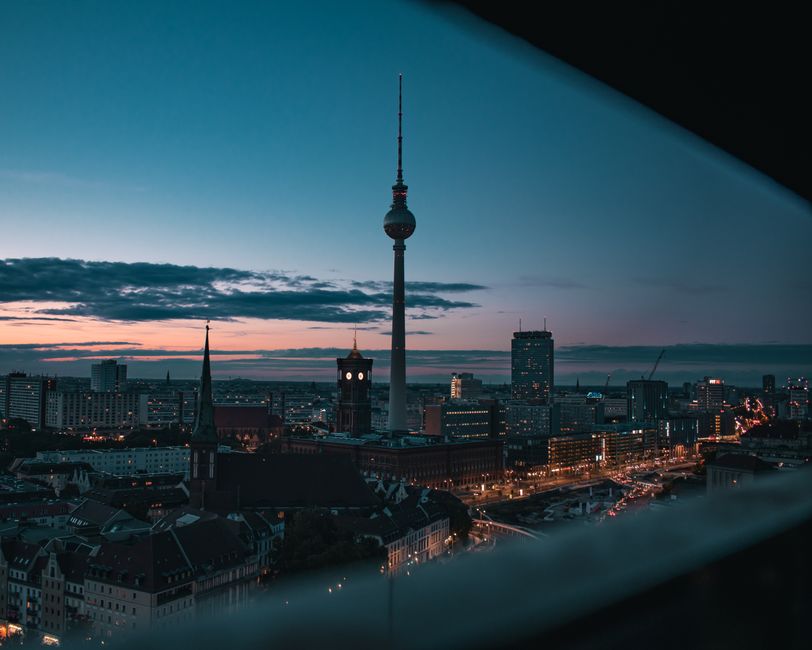
Germany’s rail network gets the most attention but the local public transport network (buses, trams, metro/U-Bahn, S-Bahn) is what most residents use daily. Understanding how to navigate it efficiently saves time and money.
The Verkehrsverbund System
German cities operate integrated transport networks (Verkehrsverbünde) where a single ticket covers all modes — train, bus, tram, metro — within a defined zone. The major ones: HVV (Hamburg), BVG (Berlin), MVV (Munich), RMV (Rhine-Main/Frankfurt), VRS (Cologne/Bonn). A monthly or annual subscription (Monatskarte/Jahreskarte) within your home zone covers unlimited local travel and usually pays for itself within 10–15 rides per month.
The Deutschlandticket for Local Travel
The Deutschlandticket (€58/month in 2024) covers all regional trains and all local public transport across the entire country. For someone travelling between cities regularly, it replaces both a local monthly card and inter-city regional train fares. It does not cover ICE/IC fast trains or night trains.
Bike Integration
German cities have invested heavily in cycling infrastructure — particularly Berlin, Munich, Hamburg, and Münster (which has the highest cycling modal share of any German city). Folding bikes can be taken on most trains. Full-size bikes require a Fahrradticket (€1–7 depending on network) and cannot be taken during peak rush hours on many networks. Bike-sharing (NextBike, TIER, Lime) operates in most major cities with app-based rental from €0.15–0.25/minute.
Night Service
Berlin has 24/7 metro and tram service on weekends. Munich, Hamburg, and other cities run Nachtbusse (night buses) replacing regular services after midnight. Check the Nachtlinienplan (night route map) for your city — it is available on the operator’s app and shows which routes run overnight and on what schedule.