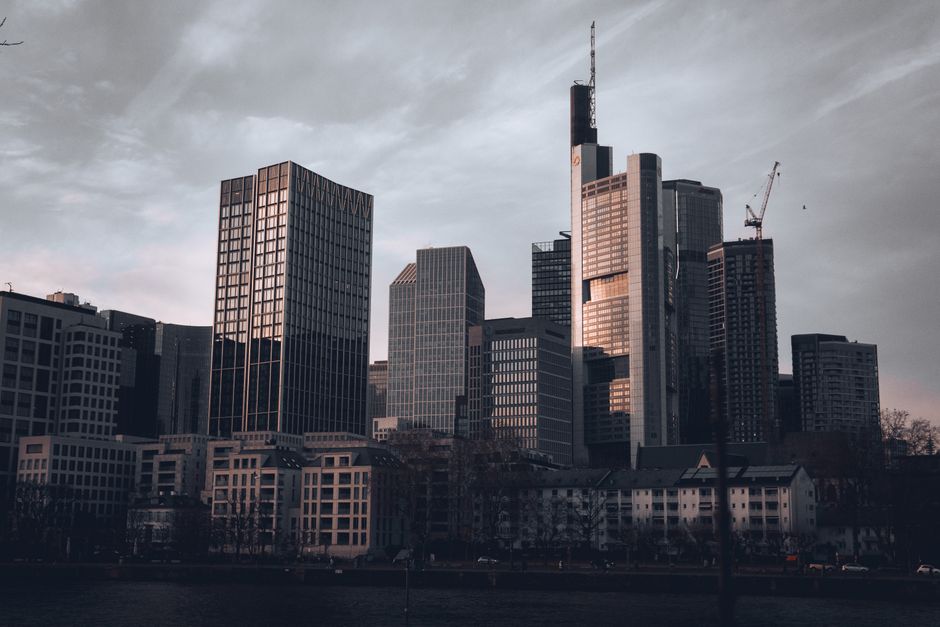
A German winter runs roughly from November to February. The extreme isn’t the cold — most years in the west stay above -5°C — it’s the darkness. Berlin gets 1.7 hours of sunshine in December on average. Munich does better at 2.8 hours. For people from East Asia or southern countries, the shift in light is the biggest adjustment.
Light Therapy
A daylight lamp (Tageslichtlampe) outputting 10,000 lux used for 20 to 30 minutes each morning significantly reduces symptoms of Seasonal Affective Disorder (SAD) and winter fatigue. The science behind this is robust; your GKV may even reimburse one if a doctor diagnoses SAD. Models from Beurer (a German brand) run €40 to €120. Use it during breakfast within the first hour of waking up.
The effect isn’t placebo. Studies show consistent use produces antidepressant effects comparable to low-dose SSRIs for mild to moderate winter depression.
Vitamin D
In Germany’s winter, the sun angle means your skin produces essentially zero vitamin D from October to March, regardless of time outdoors. Most people in Germany are vitamin D deficient by February. Ask your Hausarzt for a blood test (25-OH Vitamin D). Deficiency often explains persistent fatigue, low mood, and muscle soreness.
Supplementation: 1,000 to 2,000 IU vitamin D3 daily from October to April. Buy at any Apotheke or DM (Vitamin D3 drops, €6 to €12 for a full season’s supply). Don’t exceed 4,000 IU daily without medical guidance.
Heating Your Apartment
German apartments are heated with central heating (Zentralheizung) on radiators. You control the temperature via the knob on each radiator (usually 1 to 5, where 3 equals about 20°C). Critical rule: ventilate properly. German apartments are airtight; without regular short intense airing (Stoßlüften — open windows fully for 5 to 10 minutes three times a day), moisture from cooking and breathing causes mold (Schimmel). Mold is a serious legal issue in German tenancies — if it appears, report it to your landlord in writing immediately.
Clothing
Layering works better than one heavy coat in German winters. A thermal base layer, mid-layer fleece, and a waterproof outer shell handles everything from 0°C to -10°C. German winters are usually wet, not extremely cold. Waterproof shoes matter more than insulated ones. Treat your footwear with waterproofing spray from any Sportgeschäft or DM at the start of November.
Staying Social
The social pull toward staying inside in winter is strong. German culture offers specific counterweights: the Christmas market season (late November to December 24) brings outdoor socializing to city centres. After December, most German cities have indoor swimming pools (Hallenbad) with saunas, often excellent facilities for €5 to €9 entry. Volkshochschule evening classes fill winter evenings and put you in contact with Germans and other expats.
January and February
These are the hardest months — Christmas is over, days are still short, and spring feels far away. This is when expat communities show their value. Find or create a regular meetup: a weekly dinner, a language exchange group, a climbing gym habit. The structure matters more than the activity.