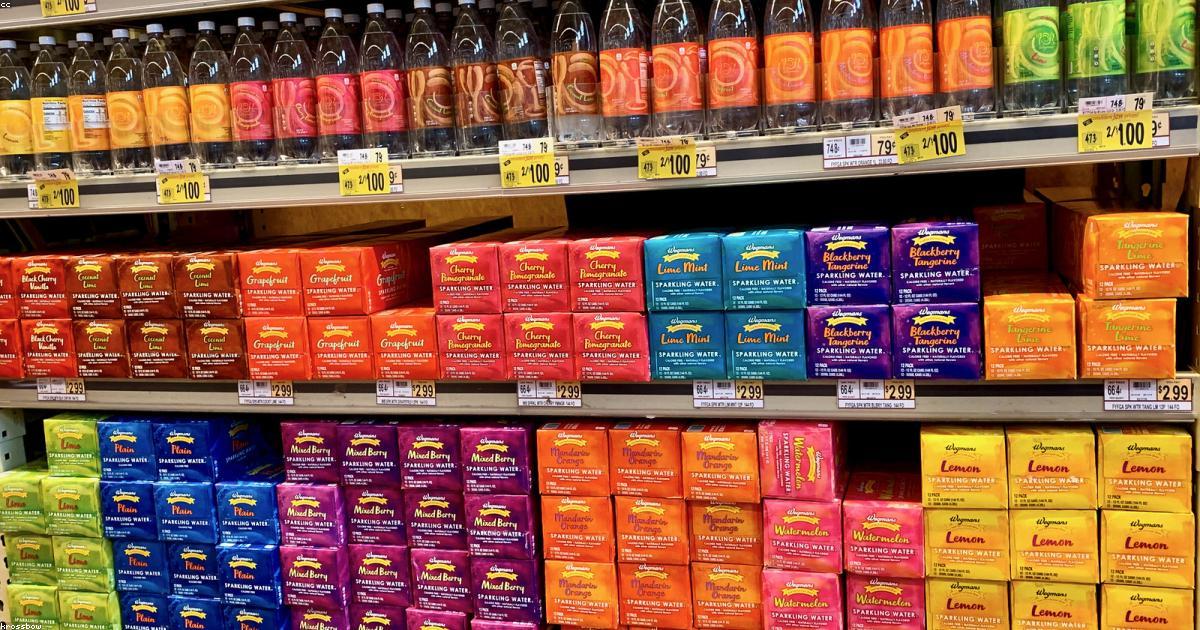
Germany has one of Europe’s most competitive grocery retail markets. Understanding the different supermarket tiers saves money and improves the shopping experience.
Discounters: Aldi and Lidl
Aldi (Sud and Nord, two separate companies) and Lidl are hard discounters — a deliberately limited product range (800–1,500 items vs 15,000+ at a full supermarket), mostly own-brand products, no-frills stores. Prices are 20–40% below full-service supermarkets for comparable items. Quality on staples (dairy, eggs, basic vegetables, pasta, bread) is competitive with Rewe and Edeka. The limitation: specialist items, international products, and fresh prepared food selection is limited. Aldi’s weekly special buy section (Sonderangebote) is the best source of low-price tools, kitchen equipment, and seasonal items in Germany.
Full-Service: Rewe and Edeka
Rewe and Edeka are Germany’s dominant full-service supermarket chains. Both carry national brands alongside private labels, have full deli counters, and stock a broader range including organic, international, and specialist products. Edeka tends slightly upmarket of Rewe. Both have online ordering with home delivery in major cities. More expensive than discounters but significantly more convenient for one-stop shopping.
Dm and Rossmann
Dm and Rossmann are drugstore chains (Drogeriemarkt) that stock many grocery-adjacent products: organic foods, dietary supplements, personal care, cleaning products, and a good selection of plant-based products. Dm in particular has developed a strong own-brand health food range (Bioqualität label) at competitive prices.
Practical Strategy
Weekly staples (milk, eggs, bread, fruit, vegetables, pasta) from Aldi or Lidl. Specialty items, fresh meat, fish, and anything requiring a broader selection from Rewe or Edeka. Organic and dietary-specific products from Dm. Asian ingredients from dedicated Asian supermarkets. German-origin wine from regional Weinhandlungen (wine shops) rather than supermarkets for better selection and comparable prices.