2022.02 Update
The crowdfunded proxy service now has an Android app. Free 4 nodes, no registration required, just open and use!
Available on Google Play, safe and secure.
https://play.google.com/store/apps/details?id=com.pluto.zcjs
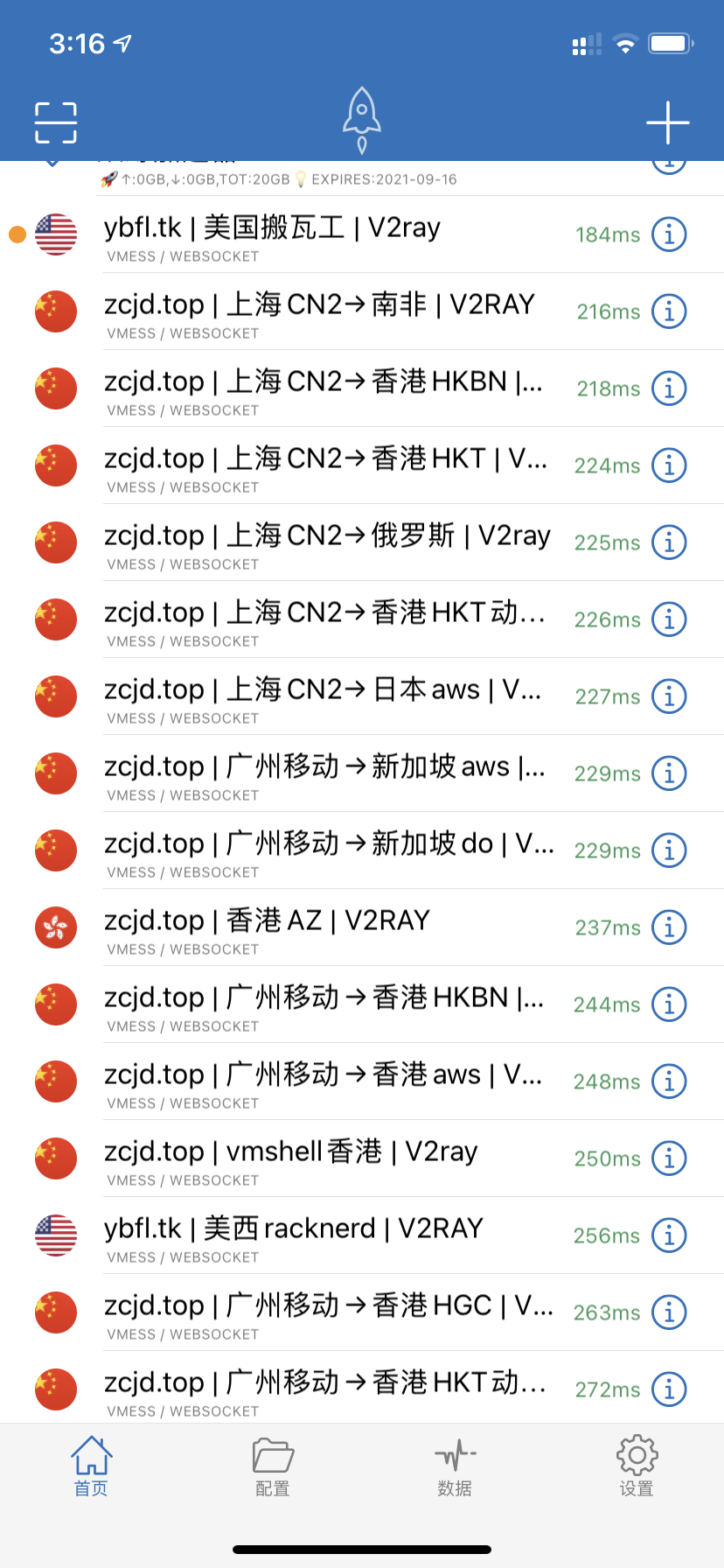
1. Why Use a Relay Server?
- Broadband is divided into residential and commercial. Residential broadband during peak hours (7 PM to 12 AM) has lower priority for international traffic compared to commercial broadband, which costs many times more. This is what people call QoS — residential broadband gets throttled, especially for overseas access. You might notice a node is fast during the day but unusable in the evening.
- To solve the evening bottleneck, relay servers using commercial broadband have become the mainstream solution for proxy services. A decent-sized service will use relay servers to provide consistent speed for users.
2. Why Are Relay Servers Different for China Mobile, Unicom, and Telecom?
- Each ISP has its strengths: China Telecom CN2 is the most stable, China Mobile Guangzhou has magical effects for Southeast Asia, China Unicom works well for Japan and Korea. Each has pros and cons.
- International network conditions are complex. Today China Mobile might be fast, but tomorrow it might not be. So it’s common to have multiple ISPs connecting to the same node, though some nodes are inherently bad for a particular ISP and won’t be relayed.
3. How Should I Choose Nodes?
- Get into the habit of regularly updating your subscription to get the latest node information.
- Try different nodes yourself. Prefer nodes in Southeast Asia, such as Hong Kong or Singapore, due to physical proximity.
As of September 1, 15:00, the service has been running for 45 days.
1. Registered accounts for trial: 3,125. Data consumed (incomplete stats): approximately 17 TB on node servers, 25 TB on relay servers.
2. Total received: 1,230 RMB. Some users may have donated purely in support without using the service. After deducting 6% third-party platform fee and about 2% USDT transaction fee or exchange rate loss, actual received: 1,131 RMB. (Actual banked: 998 RMB, the rest pending due to D+3 settlement.)
3. Received donations of 7 servers, but most were monthly disposable VPS or machines not directly connectable from any Chinese ISP. Currently, only one Russian and one US West Coast server are in normal use.
4. With the funds, purchased HKT (300 Mbps) and HKNB (100 Mbps dedicated), plus China Mobile Guangzhou, China Unicom Changsha, and China Telecom Shanghai CN2 (relay servers). Total cost: 1,630 RMB (monthly VPS and domain names about 100 RMB, not counted). Current book loss: about 500 RMB. Considering the order of purchases, it should theoretically break even or have a small loss.
Key Takeaways:
1. If the node server is stable, maintenance is not difficult. The node went offline only once or twice during this period.
2. The pain point is DDoS attacks from competitors. Without promotion or advertising, we were attacked three times. Spent 40 RMB on protection, which I forgot to include in the stats.
3. Fortunately, monthly disposable VPS helped reduce costs, but they can go offline anytime, increasing maintenance workload.
Summary:
1. Whether running a proxy service is profitable is unknown — refer to my data.
2. High risks: legal issues, competitor attacks, and third-party payment provider shutdowns.
3. High mental burden: constant worry about node issues or Netflix unlocking problems.
4. Node selection and testing take a lot of time: need speed, low cost, and stable evening performance. Luckily, I have some experience, otherwise I’d have paid more in tuition.
Finally, this is a non-profit project for testing and sharing. Please don’t attack us — we really can’t afford protection fees, haha.
zcjd.top continues to offer free service. Monthly reports will follow!
Video: “From Zero to Prison” tutorial on building your own proxy service: v2board panel setup, payment and email integration, XrayR backend with three protocols, gost relay and encryption tunnel — from beginner to inmate.