Tbilisi has been one of the fastest-growing destinations for European travellers in the last three years. The reputation it has built is unusually consistent: people go for a weekend and return for a month. Here is why.
The City
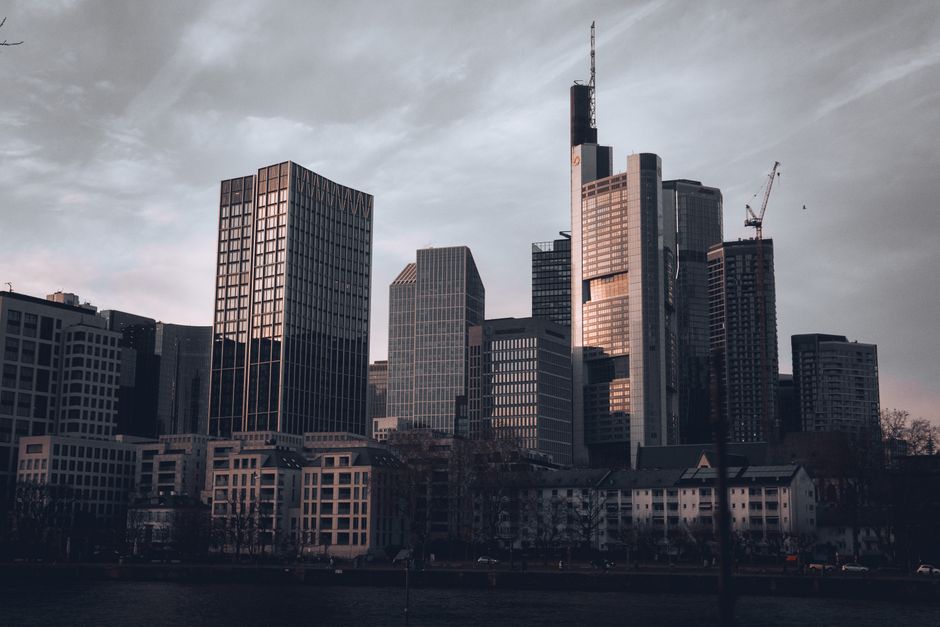
Tbilisi (population 1.2 million) is the capital of Georgia, a country at the intersection of the Caucasus, the Black Sea, and the old Silk Road. It is not in Europe geographically (it is in the South Caucasus), but Georgia has EU candidate status (since 2023) and is culturally oriented toward Europe. Getting there from Europe: direct flights from many European cities (Ryanair, Wizz Air, Georgian Airways), typically 4–5 hours from Western Europe. Visas: most European nationals, Americans, and many others can enter Georgia for up to 365 days without a visa (no advance application required, just arrive). The old city (Abanotubani — literally “the district with the baths”): the defining Tbilisi aesthetic — narrow wooden balconied houses on hillsides above warm sulphur springs, most of which have been converted to public or private baths. The Metekhi church on its cliff above the Kura river, the old Persian caravanserai, and the narrow lanes of the Sololaki district (19th-century Tsarist Russian architecture) form an urban core that is genuinely unlike anywhere in Europe.
The Food and Wine
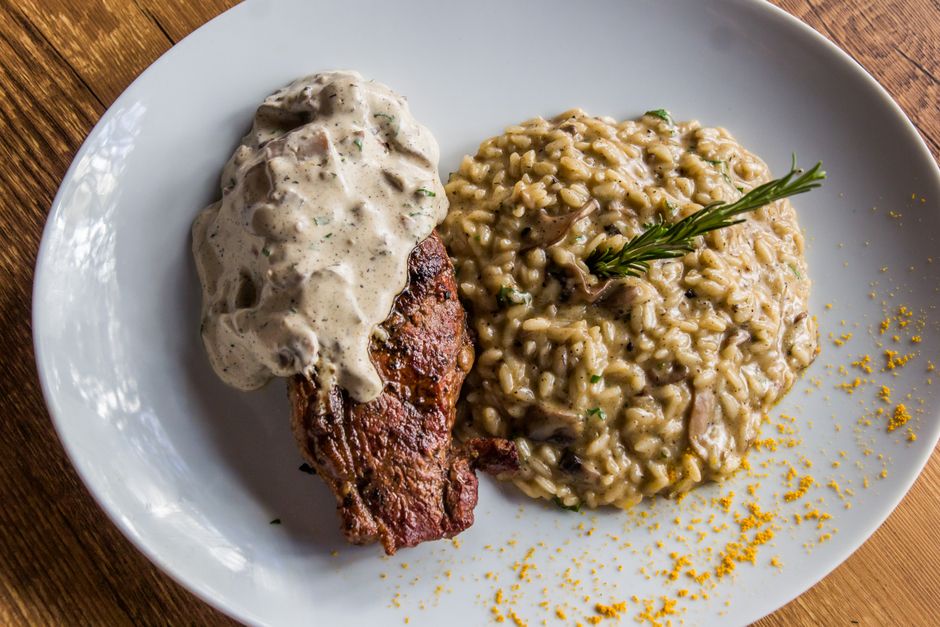
Georgian cuisine is one of the genuine surprises for visitors who haven’t encountered it: it is a full independent culinary tradition with no obvious analogue elsewhere. The central dishes: khachapuri (leavened bread boat with eggs and melted cheese — the Adjarian version (adjaruli khachapuri), an open boat with egg and butter, is the most dramatic form); khinkali (large dumplings with spiced meat and broth inside — the correct technique: bite a hole in the top, drink the broth, then eat the rest, leaving the knob of dough at the top as a counter); mtsvadi (grilled meat skewers); and pkhali (a family of cold appetisers made from ground walnuts and various vegetables). The wine: Georgia is the oldest wine-producing country in the world (8,000-year-old winemaking tradition in the Kakheti region), and makes a specific style of wine using traditional clay vessels (kvevri) — amber wine (white wine made with extended skin contact) is the signature style, now internationally fashionable but made here for millennia. For a small country (3.7 million), the wine scene is extraordinary.
The Nightlife and Creative Scene
Tbilisi has one of Europe’s — or more precisely, the region’s — most significant electronic music scenes. Bassiani (in the basement of the former Soviet Dinamo football stadium) is among the most respected clubs in the world and has played a specific role in LGBTQ+ organising in a traditionally conservative society. The creative scene around the clubs (Fabrika, a former Soviet factory converted to a creative hub) has attracted a significant community of remote workers, artists, and the Georgian creative class. The reputation: Tbilisi has an energy that visitors from Berlin, Amsterdam, and London describe as feeling like those cities 15–20 years ago — creative, affordable, not yet over-commercial.