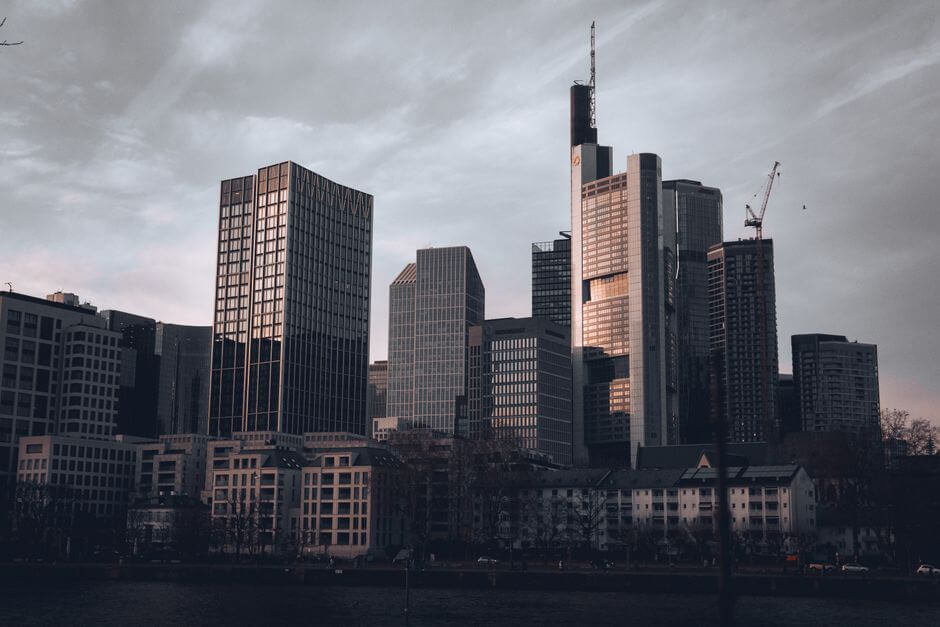
Frankfurt’s skyline shows a cluster of glass towers that looks nothing like the rest of Germany. The city is home to the ECB, Deutsche Bundesbank, Frankfurt Stock Exchange, and dozens of international banks. It’s also Germany’s air hub (Frankfurt Airport, the country’s busiest) — which means expats arrive expecting a financial monoculture and find something more interesting.
Why Frankfurt Surprises
The Sachsenhausen district has more cider taverns (Apfelwein-Wirtschaften, locally called “Stöffche”) per block than anywhere else in Germany. Bornheim is a relaxed neighborhood with a real weekly market and some of the best immigrant food in Germany. The Main river is swimmable in summer (at Stadtstrand and Taunusanlage). The museum embankment (Museumsufer) hosts 15 museums within walking distance of each other. None of this matches the “boring finance city” reputation.
The International Factor
Frankfurt is one of Germany’s most international cities — roughly 30% of residents have international backgrounds. EU institutions, banking relocations post-Brexit (Barclays, Goldman Sachs, Standard Chartered moved European operations here), and the airport create a large English-speaking professional class. Many restaurants have English menus without being asked. Language barriers are lowest here among major German cities.
Neighborhoods
Westend is the upscale banking district (€20+/m²). Nordend and Bornheim are the vibrant residential choices for younger professionals and families (€15–18/m²). Sachsenhausen is tourist-heavy but authentic south of the river. Ostend is Frankfurt’s creative quarter, home to EZB (European Central Bank building) and numerous tech startups. Bockenheim offers student-affordable rents near Goethe University (€12–15/m²).
Practical Points
Frankfurt Airport is 15 minutes by S-Bahn from the city center — unique in Europe. Commuting to Darmstadt (30 min), Wiesbaden (35 min), Mainz (40 min) opens cheaper housing options. The city is small by German standards — 760,000 people — which means no bad commute exists if you live reasonably centrally.