Heatwaves are typically defined as extreme high-temperature events where temperatures remain significantly above local historical averages for multiple consecutive days (typically 3+ days), though specific definitions vary by country and institution. The health threats from heatwaves operate through two pathways: heat-related illnesses (heat stroke, heat cramps, heat exhaustion) and exacerbation of existing chronic conditions (cardiovascular disease, respiratory disease, kidney disease).
## Urban Heat Island Effect (UHI)
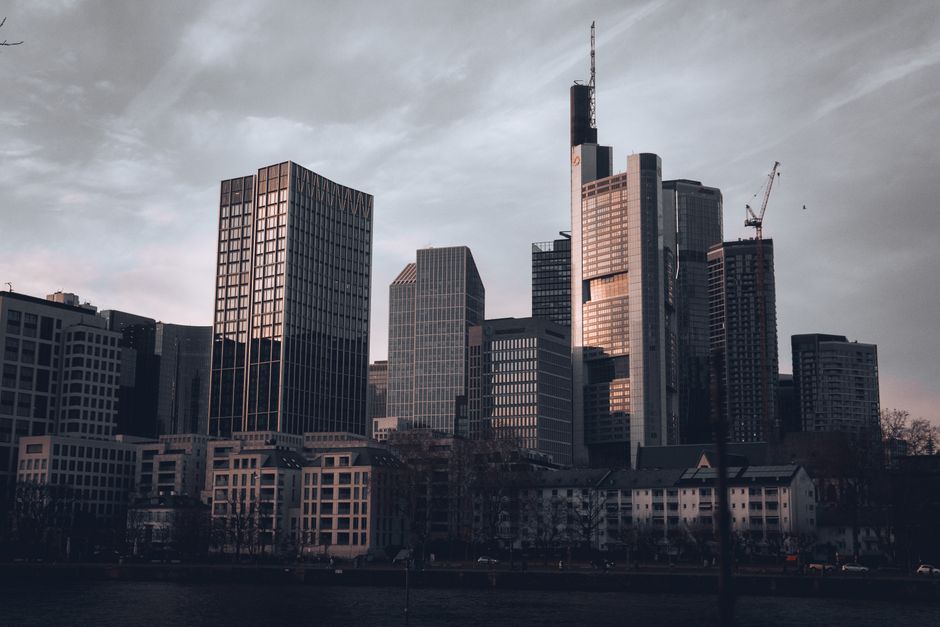
The Urban Heat Island effect is the phenomenon where urban areas are generally warmer than surrounding rural areas, with heat island intensity typically 1-5°C (up to 10°C in extreme cases). Formation mechanisms: urban building materials (concrete, asphalt) have high heat capacity and low albedo (absorbing more solar radiation); low coverage of green space and water bodies (natural evaporative cooling); dense buildings reduce ventilation; anthropogenic heat emissions (air conditioning, transportation, industry). Global warming + urban heat island effects combined means urban residents experience more extreme temperatures than regional average data suggests.
## Physiological Mechanisms and Recognition of Heat-Related Illness
The human body’s core temperature must be maintained around 37°C through skin heat dissipation (radiation + convection + evaporative sweating) and behavioral regulation (reducing heat-generating activities, seeking shade). When the combination of ambient temperature and humidity (Heat Index) exceeds the body’s heat dissipation capacity, core temperature rises, causing: **Heat cramps** (muscle spasms from electrolyte imbalance, mild) → **Heat exhaustion** (heavy sweating, fatigue, dizziness, cool moist skin, moderate) → **Heat stroke** (core temperature >40°C, altered consciousness, dry hot skin, severe; mortality approximately 20-70%, requires immediate emergency treatment). High-risk groups: elderly (reduced thermoregulation), infants/young children, outdoor workers, chronic disease patients (cardiovascular, diabetes, kidney disease), people taking medications that affect heat dissipation (diuretics, antihistamines).
## Personal and Community Protective Measures
**Short-term behaviors**: avoid outdoor exposure during peak heat (10:00-16:00); hydrate proactively (don’t wait until thirsty); use cooling locations like air-conditioned spaces, libraries, and shopping centers (Cool Center policies); check on elderly family members and neighbors living alone. **Building level**: light-colored roofs/exterior walls (high albedo reduces heat absorption); green roofs and walls; interior shading; natural ventilation design (cross-ventilation). **City level**: increase urban green space (every 10% increase in urban green coverage can reduce urban heat island effects by approximately 0.5°C); permeable paving; waterfront space development.
See [The Scientific Basis of Global Warming](https://sunqi.org/climate-change-science-basics-en/) and [Climate Change and Health](https://sunqi.org/climate-health-impacts-en/).