Finding an apartment in Germany is one of the most commonly cited challenges for newcomers. The difficulty is real and follows predictable patterns. Here is an accurate picture of what to expect.
The Market Reality by City
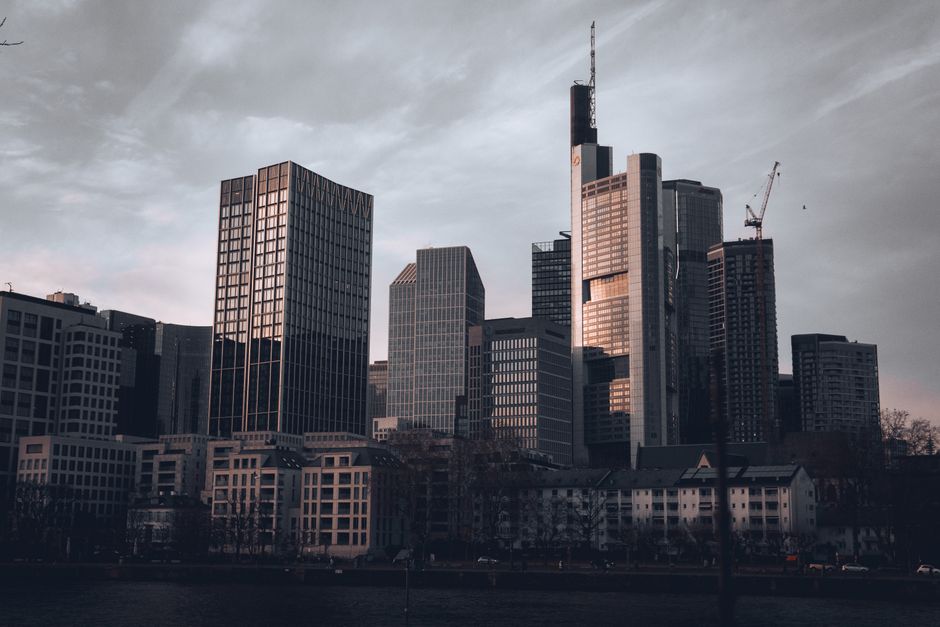
Munich and Frankfurt: the most difficult rental markets in Germany, with vacancy rates below 1% in central areas. A 2-bedroom apartment in Munich central: €1,800–2,500/month cold rent (Kaltmiete), and application competition is intense. Berlin: historically more affordable, but rents rose significantly 2020–2024; 2-bedroom in good central neighbourhoods now €1,400–1,900. Hamburg: similar to Berlin. Stuttgart, Düsseldorf, Cologne: moderate shortage. Smaller cities (Nuremberg, Dresden, Leipzig): more inventory, lower prices, more accessible for newcomers. Regional variation matters enormously — moving to Munich versus Leipzig is a completely different housing experience.
The German Rental Application
German landlords request a standard package: SCHUFA-Auskunft (credit check — get one at meineschufa.de, costs €29.95; or get it free but only by mail), proof of income (last 3 salary slips), employment contract or employer confirmation, ID, and sometimes a Mietschuldenfreiheitsbescheinigung (confirmation from your previous landlord that you have no rental debts). For new arrivals without SCHUFA history or German employment: find a guarantor (Bürgschaft), offer 2–3 months’ deposit up front, or use services like Kautionsversicherung instead of SCHUFA.
Platforms and Search
ImmobilienScout24 (immobilienscout24.de) and ImmoWelt are the dominant platforms. WG-Gesucht (wg-gesucht.de) is the primary platform for shared housing. Facebook groups for housing in specific cities are active. For new arrivals who need temporary accommodation while searching: serviced apartments (€800–1,500/month, flexible terms), YMCA and hostel long-stay rooms, and furnished sublets (Zwischenvermietung) are typical bridge solutions. Expect 1–3 months of searching in high-demand cities.
What Most People Don’t Know
Nebenkosten (additional costs): German rent is usually quoted as Kaltmiete (cold rent, excluding utilities) or Warmmiete (warm rent, including heating and often water). The gap is typically €150–300/month — make sure you know which you are looking at. Kaution (deposit): typically 2-3 months of cold rent, returned after moving out (with potential deductions for damage). Renovation costs: leaving the apartment in a standard condition (Schönheitsreparaturen) may be required by the contract — read the rental contract’s renovation clauses before signing.