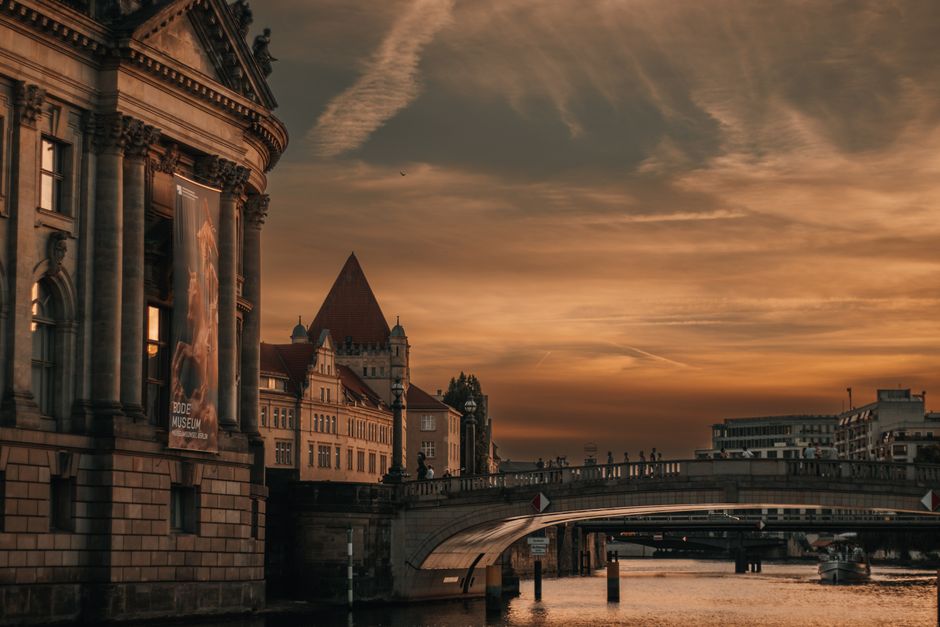
Germany is not historically known as a digital nomad destination — no warm beach, high cost of living, complex bureaucracy. Yet Berlin, Hamburg, and Munich have growing digital nomad communities, and Germany’s infrastructure quality is exceptional. Here is the honest picture.
The Visa Situation
Germany introduced a specific Freelancer Visa (Freiberufler-Visum) that allows self-employed professionals — including remote workers — to live and work in Germany. The requirements are strict: evidence of clients or contracts, professional qualifications in a recognized “liberal profession” (journalism, architecture, software development, medicine, law, consulting, teaching, arts), or registration as a Freiberufler (freelancer). The process involves the local Ausländerbehörde (foreigners registration office). Processing times vary by city: Berlin’s ABH is notoriously slow (months); Munich is faster. The 2024 Opportunity Card (Chancenkarte) introduced a points-based path for skilled workers without a job offer, which can serve as a transition visa while establishing freelance income.
The Practical Nomad Experience
Berlin is the most nomad-friendly German city: co-working spaces in every neighbourhood (Betahaus, Ahoy, St. Oberholz, WeWork locations throughout), strong English-language professional community, and the lowest living costs of Germany’s major cities (though still higher than Southeast Asia or Eastern Europe). Hamburg and Munich are more expensive and less orientated toward the nomad community. German mobile data (O2, Telekom, Vodafone) is reliable but expensive by European standards — a Portuguese or Romanian SIM with EU data roaming is a cheaper option.
The Bureaucracy
Germany requires residence registration (Anmeldung) within 14 days of arrival — you need a confirmed address to register. This creates the classic nomad-in-Germany catch: you need an address to register, you need registration for a bank account, and you need a bank account to rent an apartment. Many nomads resolve this through co-living spaces that include Anmeldung service, or by subletting from a German resident who agrees to be listed as the primary tenant.
Why Germany Despite All This
Central European timezone (CET) is excellent for working with both US East Coast and Asian clients. Infrastructure quality (trains, internet, healthcare) is exceptional. Access to the entire Schengen zone for travel. Cultural life in Berlin specifically is among Europe’s richest. The complexity is front-loaded — once you have your registration, visa, and bank account, Germany works extremely smoothly day-to-day. The nomads who stay say the setup investment was worth it.