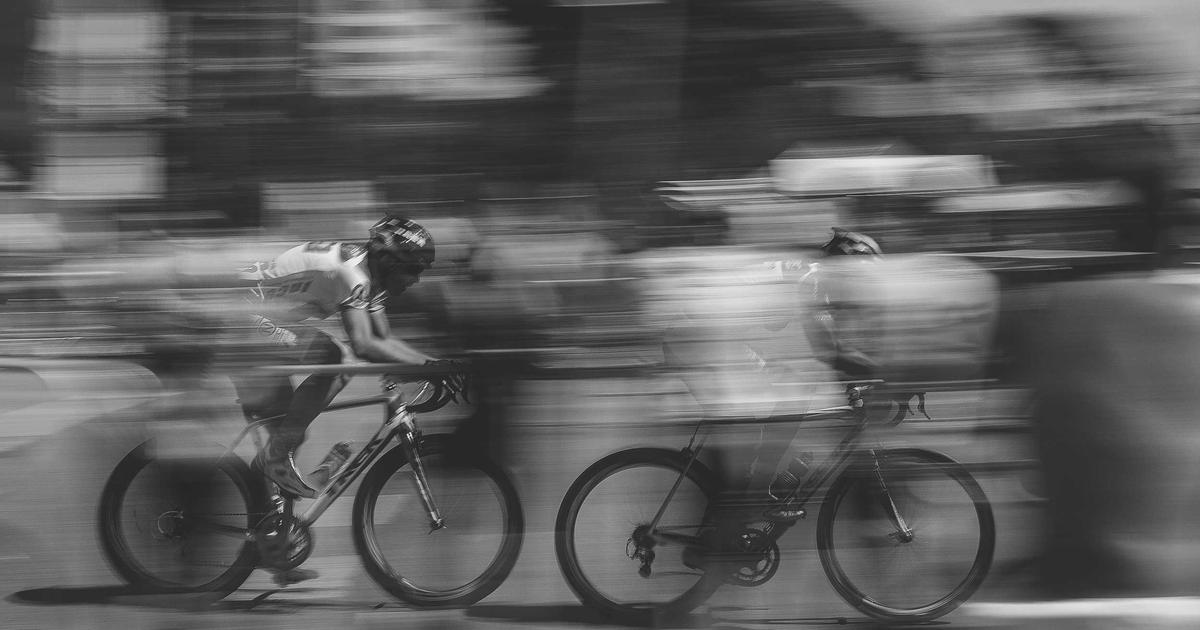
Two inflection points marked cycling’s explosion in China: the urban cycling boom around 2014 (forerunner of bike-sharing), and the outdoor activity surge during the 2020 COVID pandemic. By 2024, China’s road and mountain bike market exceeded 20 billion RMB; Trek, Giant, Specialized, and Cervélo compete with domestic brands Merida and XDS in a diverse landscape.
## The Scientific Significance of Power Meters and FTP
Heart rate is the traditional cycling training monitoring metric, but its response is delayed (1-3 minutes to reach steady state) and affected by fatigue, dehydration, caffeine, and other factors. Power (Watts) is instantaneous output, reflecting the actual force applied to the pedals — unaffected by these factors. Power meters have dropped from professional racer equipment ($5,000+ before 2008) to consumer-grade ($500-2,000 for Garmin Rally/Pioneer/Quarq; lower for domestic brands like SIGEYI).
**FTP (Functional Threshold Power)**: the maximum sustained power a cyclist can maintain for approximately 1 hour — the gold standard for assessing aerobic capacity. Test method: 20-minute maximum effort power × 0.95 = estimated FTP. FTP per kilogram body weight (W/kg) is the core metric for fairly comparing cyclists of different sizes: amateur cyclists typically 2-3 W/kg, professionals approximately 5-6.5 W/kg, world-class Tour de France climbers can reach 6.5+ W/kg.
## Training Zones
Using FTP as the baseline, training zones are typically divided into 7 zones (TrainingPeaks/Hunter Allen system): Z1 (Recovery, <55% FTP) → Z2 (Aerobic base, 56-75%) → Z3 (Tempo, 76-90%) → Z4 (Lactate threshold, 91-105%) → Z5 (VO₂max, 106-120%) → Z6 (Anaerobic capacity, >120%) → Z7 (Sprint). The most common training error: too much time in the Z3 “moderate intensity zone” — insufficient to stimulate aerobic base development yet accumulating excessive fatigue.
See [Trail Running Training System](https://sunqi.org/trail-running-training-en/) and [TrainingPeaks power training resources](https://www.trainingpeaks.com/).